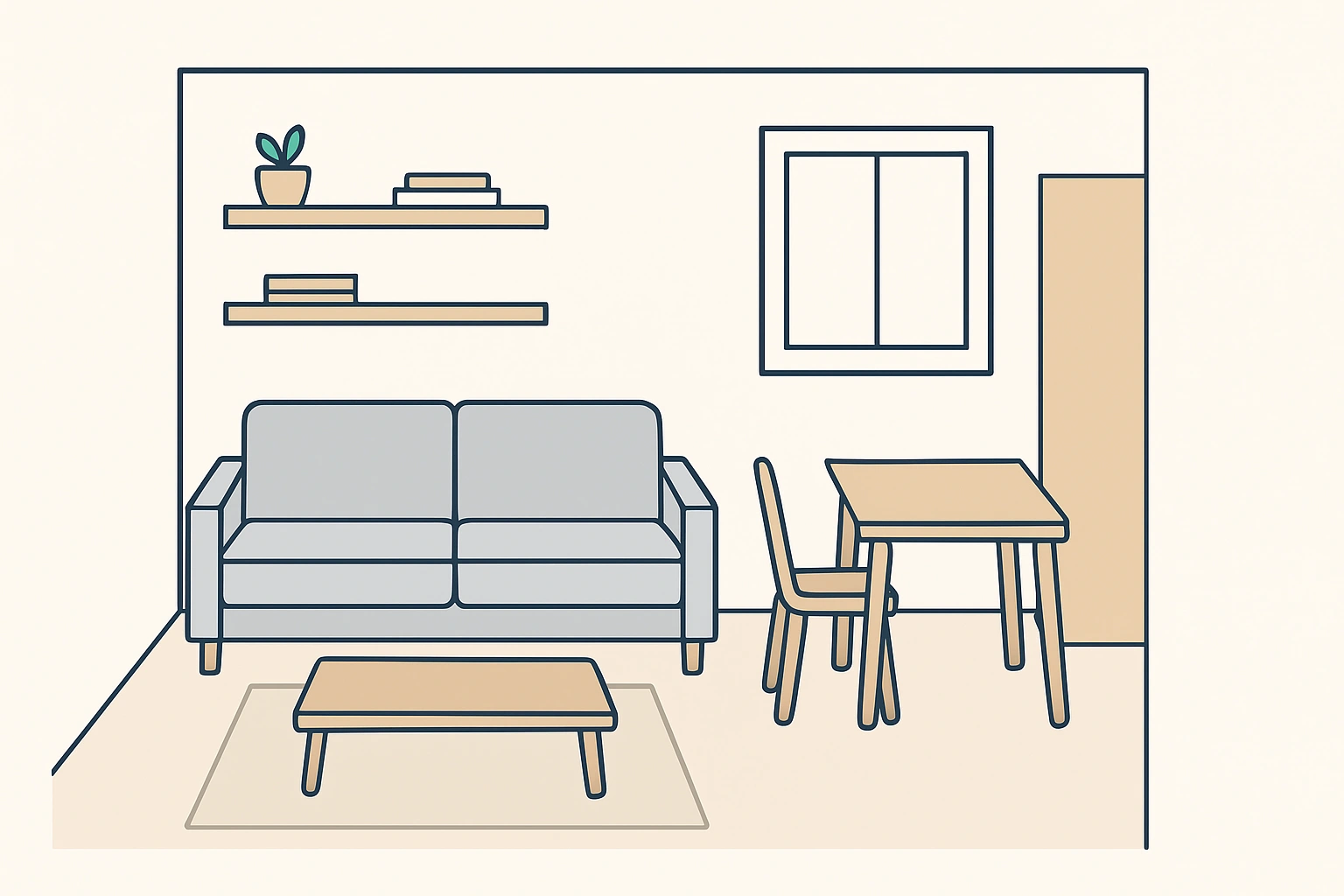
You’ve found the perfect small apartment in a great location, but now you face the ultimate puzzle: how to fit your life into it without feeling like you’re living in a storage unit. The right small apartment furniture can change that feeling entirely, giving every corner a sense of purpose. You try pushing the sofa against one wall, then another, and realize that smart small apartment furniture solutions can open up possibilities you hadn’t considered. You wonder if you even have room for a dining table, but with flexible small apartment furniture, that challenge becomes easier to solve. It’s a frustrating process, yet with carefully chosen small apartment furniture, your dream apartment can feel more like a home than a compromise.
The problem isn’t your furniture, and it’s not the size of your space—it’s the layout. The right arrangement of small apartment furniture can transform a cramped room into a cozy, functional, and stylish haven. This guide will provide you with proven small apartment furniture ideas and layouts that actually work. We’ll show you how to maximize every inch with smart small apartment furniture choices, create a natural flow, and make your small space feel surprisingly large through the right placement of small apartment furniture.
What is Strategic Small Apartment Furniture Layout ?
sisipkan keyword “small apartment furniture” di bagian sini minimal 4 keyword dan tambahkan di setiap bait tidak menggunakan font bold tidak menambahkan total kata nya dan buatkan lebih natural agar nyaman dibaca, tidak membuat bacaan terasa kaku. (Strategic furniture layout is the art and science of arranging furniture to maximize functionality, improve flow, and enhance the perception of space in a room. It’s a core principle of **space-saving interior design** that goes beyond simply placing items. It involves creating distinct functional zones, considering traffic patterns, and using visual tricks to make a space feel larger and more organized. In a small apartment, a smart layout is not just a design choice; it’s a necessity for comfortable living.)
With the global trend towards smaller urban homes, mastering your layout is more important than ever. It’s the key to unlocking the full potential of your home, allowing a single room to serve multiple purposes without feeling chaotic. A well-planned layout can be the difference between a home that feels cramped and one that feels clever and cozy.
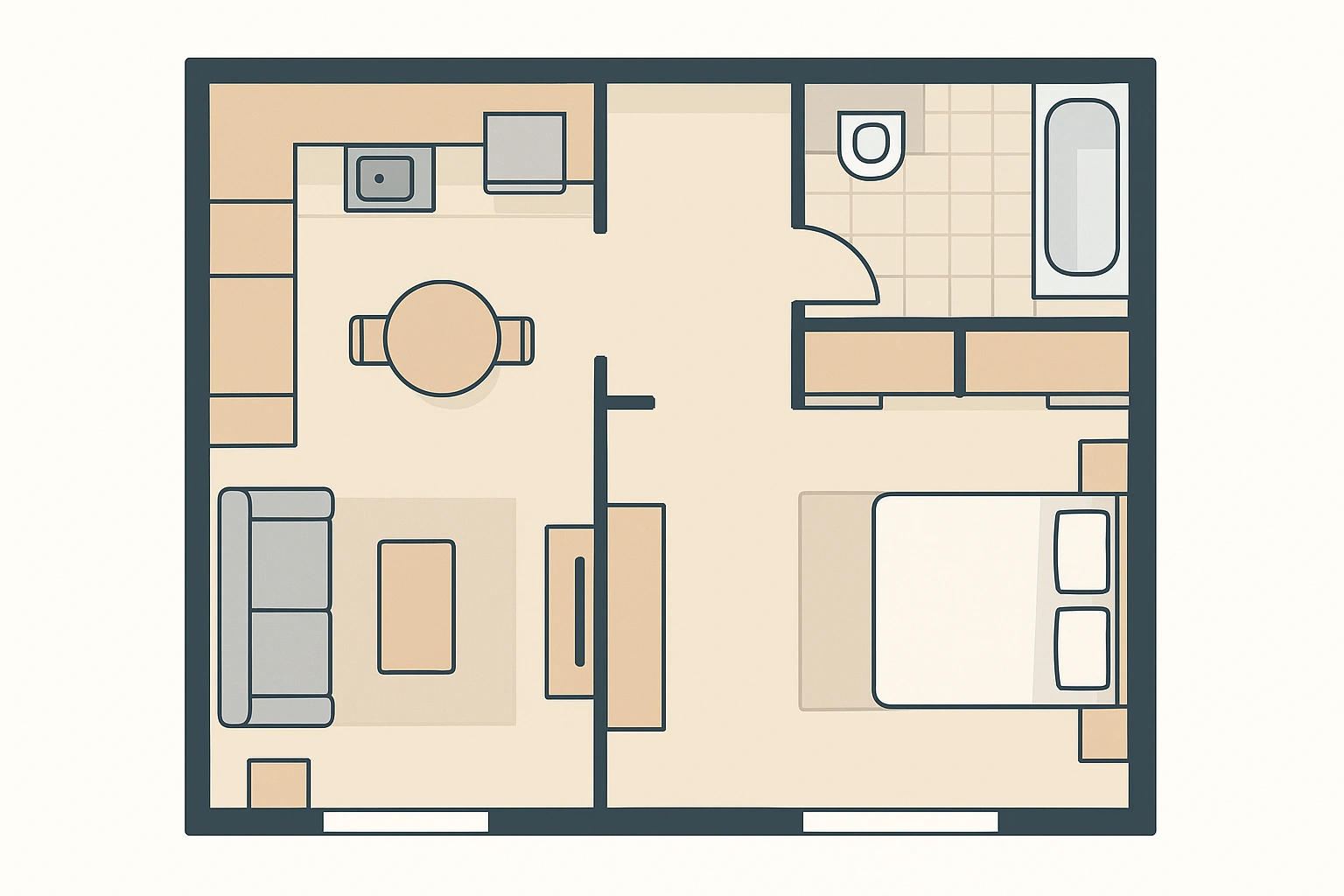
Why a Good Layout is Your Small Space Superpower
Taking the time to plan your furniture arrangement is the highest-impact, lowest-cost way to improve your small apartment. The benefits are transformative.
It Creates a Home That’s a Joy to Live In
A good layout creates a natural flow, making it easy to move through your space. It defines clear zones for different activities, which reduces clutter and mental stress. Your home feels less like an obstacle course and more like a sanctuary designed around your life.
It Makes Your Space Feel Significantly Larger
Strategic placement can trick the eye and make a room feel more spacious. By pulling furniture away from the walls, using vertical space, and choosing appropriately scaled pieces, you can create an illusion of depth and openness. It’s the closest you can get to adding square footage without knocking down a wall. For more on smart living, explore our resources at bitcoinnews.biz.id.
It Maximizes the Functionality of Every Room
A smart layout allows a single room to wear multiple hats. Your living room can have a dedicated conversation area, a comfortable reading nook, and a functional workspace, all within the same four walls. It’s about getting the maximum utility from the space you have.
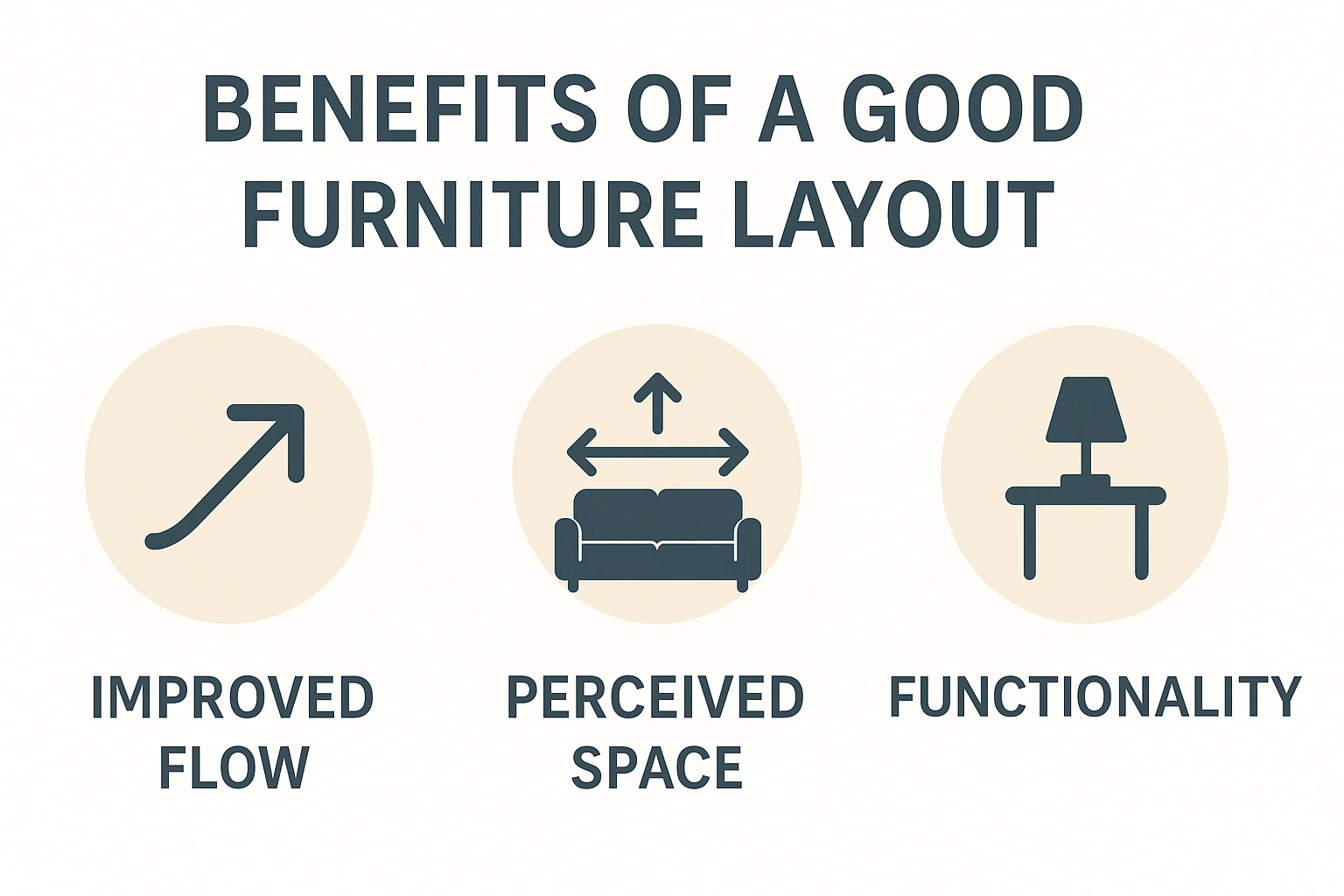
The Core Principles of Small Space Layouts
A great layout isn’t about magic; it’s about applying a few key principles.
- 1. Define Your Zones: Before you move anything, decide what you need the room to do. Do you need a place to watch TV, a place to work, and a place to eat? Use furniture and rugs to create distinct “zones” for each of these activities.
- 2. Identify Your Focal Point: Every room should have a focal point, such as a window with a great view, a fireplace, or even a large piece of art. Arrange your main furniture around this point to give the room a sense of purpose and order.
- 3. Prioritize Traffic Flow: Ensure there are clear, unobstructed pathways to walk through the room. A good rule of thumb is to leave about 30-36 inches for major walkways.
- 4. Float, Don’t Push: Resist the urge to push all your furniture against the walls. “Floating” your sofa and chairs away from the walls, even by a few inches, creates a sense of airiness and makes the room feel wider.
Real-Life Case Study: Taming the Awkward Studio Layout
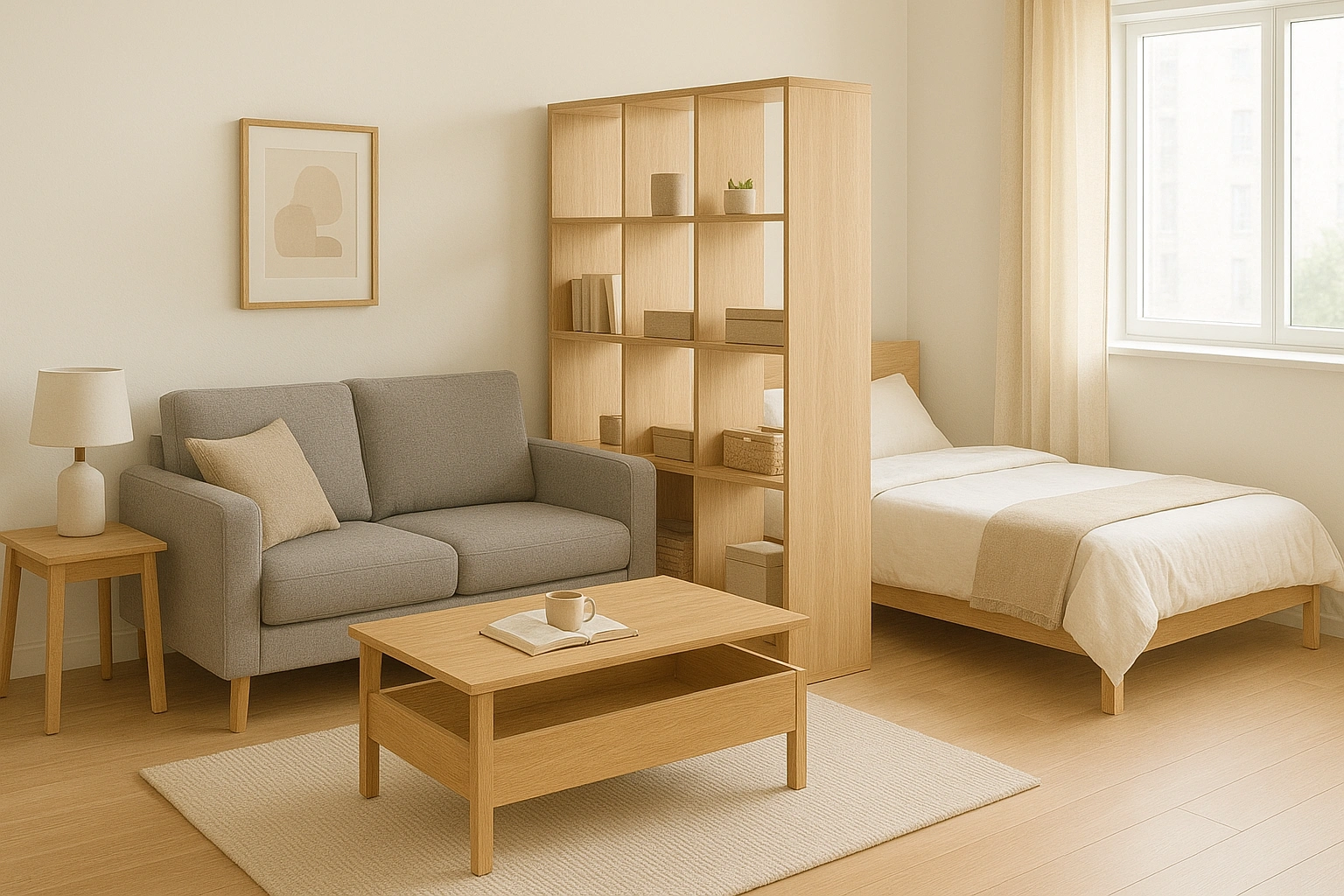
My first studio apartment was a long, narrow rectangle—a classic layout challenge. My bed, sofa, and desk all felt like they were in one big, chaotic line. The solution was zoning. I bought an open-backed shelving unit (an IKEA KALLAX) and used it as a partial room divider. It separated the “bedroom” area from the “living” area without blocking light. I placed my sofa with its back to the divider to firmly establish the living zone. I then used a distinct, colorful rug to anchor the seating area. In the bedroom zone, I opted for a wall-mounted desk to save floor space. This strategic use of a divider and rugs transformed a bowling alley into two distinct, functional, and cozy rooms.
| Pros of the Layout | Cons of the Layout |
|---|---|
| ✅ Created a clear and crucial separation of space | ❌ The room divider slightly reduced the sense of openness |
| ✅ Made the apartment feel like a one-bedroom | ❌ Required careful measurement to ensure flow |
| ✅ Zoning with rugs made each area feel intentional |
Comparison: Top 3 Layouts for a Small Rectangular Living Room
Here are three proven layouts for one of the most common apartment shapes.
| Layout Style | Key Arrangement | Pros | Cons | Best For |
|---|---|---|---|---|
| The Classic Conversational | Sofa on the long wall, two armchairs facing it. | Excellent for conversation, creates a balanced look. | Can feel formal, may not be ideal for TV watching. | People who entertain and prioritize conversation. |
| The Media-Focused Flow | Sofa and TV on opposite long walls. | Optimal for watching movies, creates a clear walkway behind the sofa. | Can make the room feel like a hallway. | Movie lovers and those with a long, narrow room. |
| The L-Shaped Lounge | A sectional sofa tucked into a corner. | Maximizes seating, creates a cozy, defined corner. | Can be visually heavy, less flexible. | Creating a super-cozy lounge area for families. |
Common Layout Mistakes to Avoid
- The Wallflower Furniture: As mentioned, pushing everything against the walls is the #1 mistake. It creates a dead space in the middle and makes the room feel smaller.
- Blocking Windows: Never place a tall piece of furniture in front of a window. Natural light is your most valuable asset in a small space, and you want to maximize it.
- Ignoring Scale: A massive, overstuffed sofa will devour a small room. Choose “apartment-sized” furniture that is proportioned to your space.
- The “Postage Stamp” Rug: A tiny rug floating in the middle of the room will make your space feel disjointed. A larger rug that anchors your main seating group is always better.
- Forgetting Vertical Space: Only focusing on the floor is a missed opportunity. Use tall bookcases and wall shelves to draw the eye up and add storage.
Expert Tips & Best Practices
“My best advice for any small space is to choose furniture with legs. A sofa, a console, an armchair—when you can see the floor underneath it, it creates an illusion of more space. It makes the furniture feel lighter and less imposing. It’s a simple visual trick that has a massive impact on how large the room feels.”
– Emily Tanaka, Interior Designer
- Use Round Shapes: A round coffee table or dining table has a smaller footprint and is easier to navigate around than a square one.
- Embrace “Ghost” Furniture: Pieces made of clear acrylic or glass, like a console or coffee table, have almost no visual weight and can make a space feel much more open.
- Create Symmetry: A symmetrical arrangement, such as two matching lamps on either side of a sofa, can create a sense of order and calm, which makes a room feel more restful.
- Use a Large Mirror: Placing a large mirror on the wall opposite a window will reflect the light and the view, visually doubling the size of your space.
Frequently Asked Questions (FAQ)
Q: What is the biggest mistake people make when arranging furniture in a small apartment?
A: The most common mistake is pushing all the furniture against the walls. While it seems intuitive to create an open center, it often makes the room feel like a waiting room and can actually make it look smaller. ‘Floating’ your furniture away from the walls, even by a few inches, creates a sense of airiness and more defined, intentional spaces.
Q: How big should my area rug be in a small living room?
A: A common rule of thumb is that the rug should be large enough so that at least the front legs of your sofa and any armchairs are sitting on it. A rug that is too small (a ‘postage stamp’ rug) can make the room feel disjointed and smaller. A larger rug helps to unify the space.
Q: Can I have a sectional sofa in a small apartment?
A: Absolutely! An ‘apartment-sized’ sectional can be a fantastic choice. It can actually provide more seating in a smaller footprint than a separate sofa and armchair combo. Look for models with a reversible chaise for maximum flexibility and consider one with built-in storage to make it even more functional.
Conclusion: Your Apartment Isn’t Small, It’s Just Poorly Arranged
The frustration you feel with your small apartment often has nothing to do with its actual size. It’s about the layout. By applying the strategic small apartment furniture ideas and principles in this guide, you can unlock the hidden potential of your home. Thoughtful small apartment furniture choices allow you to maximize every corner, while the right small apartment furniture layout can instantly change how open and livable your rooms feel. It’s about being intentional, creating zones, and choosing small apartment furniture pieces that are perfectly scaled to your space.
Stop fighting with your small apartment furniture and start making it work for you. Experiment with these small apartment furniture layouts, and you will be amazed at how a few simple changes can transform your cramped apartment into a space that feels open and inviting. The right small apartment furniture arrangement can make every corner more functional, while smart choices in small apartment furniture design turn even the tiniest home into a stylish and practical sanctuary.