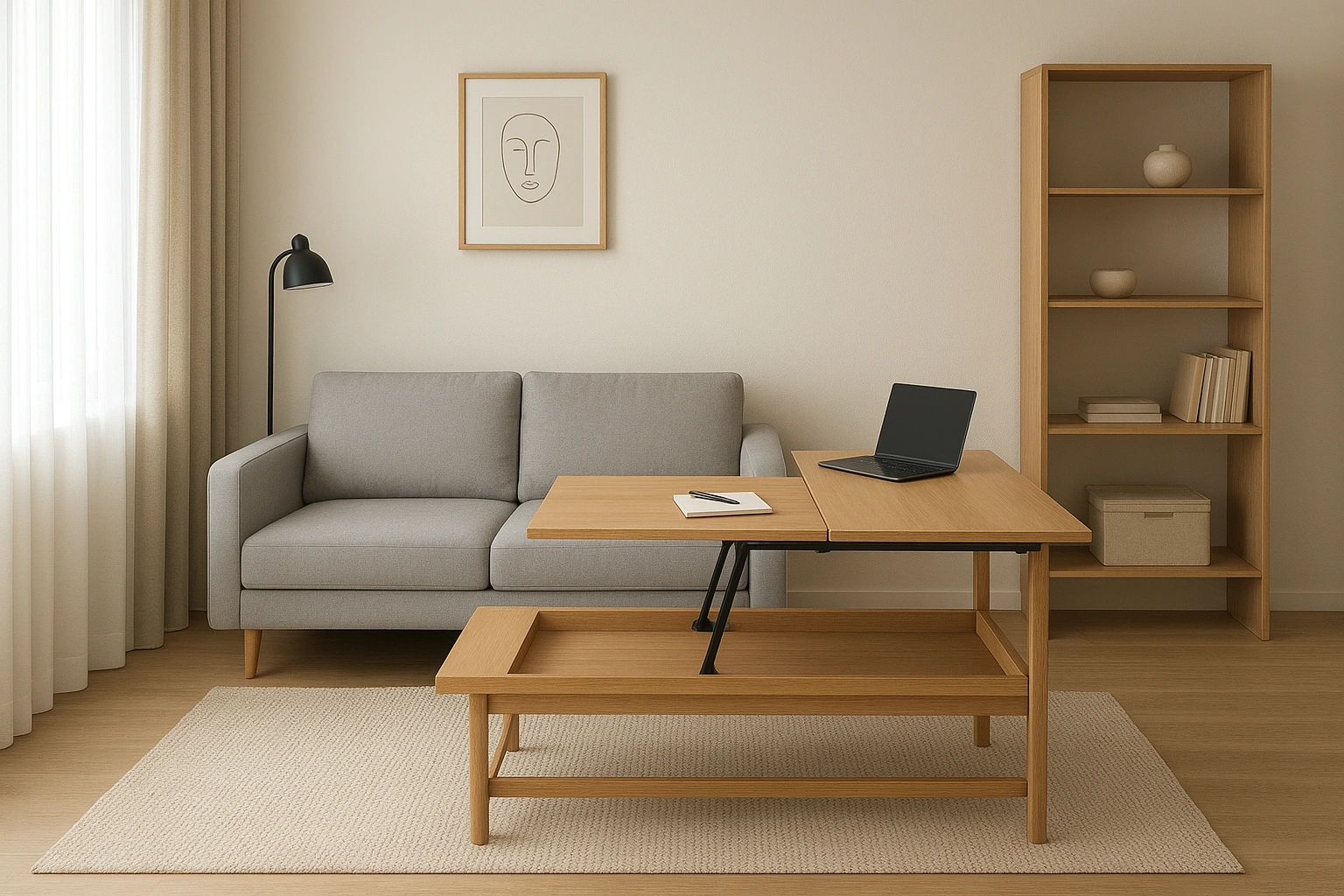
In the span of a single day, your multifunctional living room is asked to be a home office, a classroom, a gym, a movie theater, and a dining room. It’s the hardest-working multifunctional living room in the house, yet it’s often designed for just one purpose: sitting. This disconnect between how we live and how a multifunctional living room is arranged becomes a major source of clutter, stress, and frustration. By rethinking the potential of a multifunctional living room, you can transform it into a space that actually works with you, not against you.
But what if you could design a living room that effortlessly adapts to every demand? The secret is a strategic approach to multifunctional living room design. This isn’t about cramming more stuff into your space; it’s about making your space smarter, more flexible, and more responsive to your needs. This guide will provide you with the principles, ideas, and expert tips you need to transform your static living room into a dynamic, adaptable hub for your life.
What is a Multifunctional Living Room?
A multifunctional living room is a space that has been intentionally designed to serve multiple purposes without feeling chaotic or cluttered. It’s a core concept of **space-saving interior design** that moves beyond single-use rooms. Instead of a room *for* watching TV and a room *for* working, a multifunctional design integrates these activities into a single, cohesive, and flexible space through clever furniture choices, strategic layout, and smart zoning.
This design philosophy has become a necessity in modern life. As homes become smaller and our lives become more home-centric, the traditional, formal living room is becoming obsolete. The future of interior design, as highlighted by trends covered in publications like Wired, is all about flexibility and adaptability. It’s about creating spaces that can evolve with our daily and long-term needs.
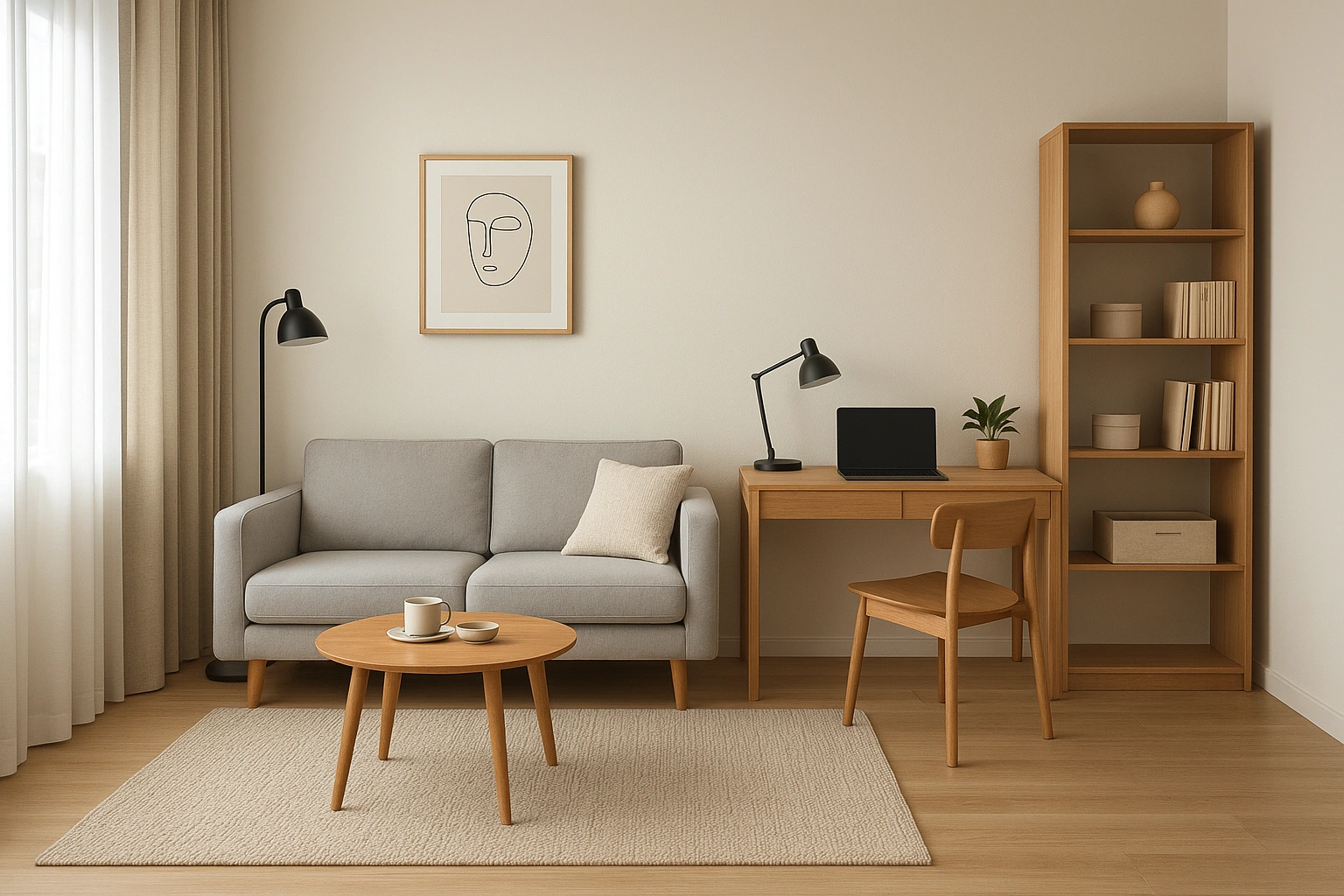
Why a Flexible Living Room is a Must-Have in 2025
Embracing a multifunctional design is more than just a clever use of space; it’s a strategy for a better, more efficient, and more enjoyable life at home.
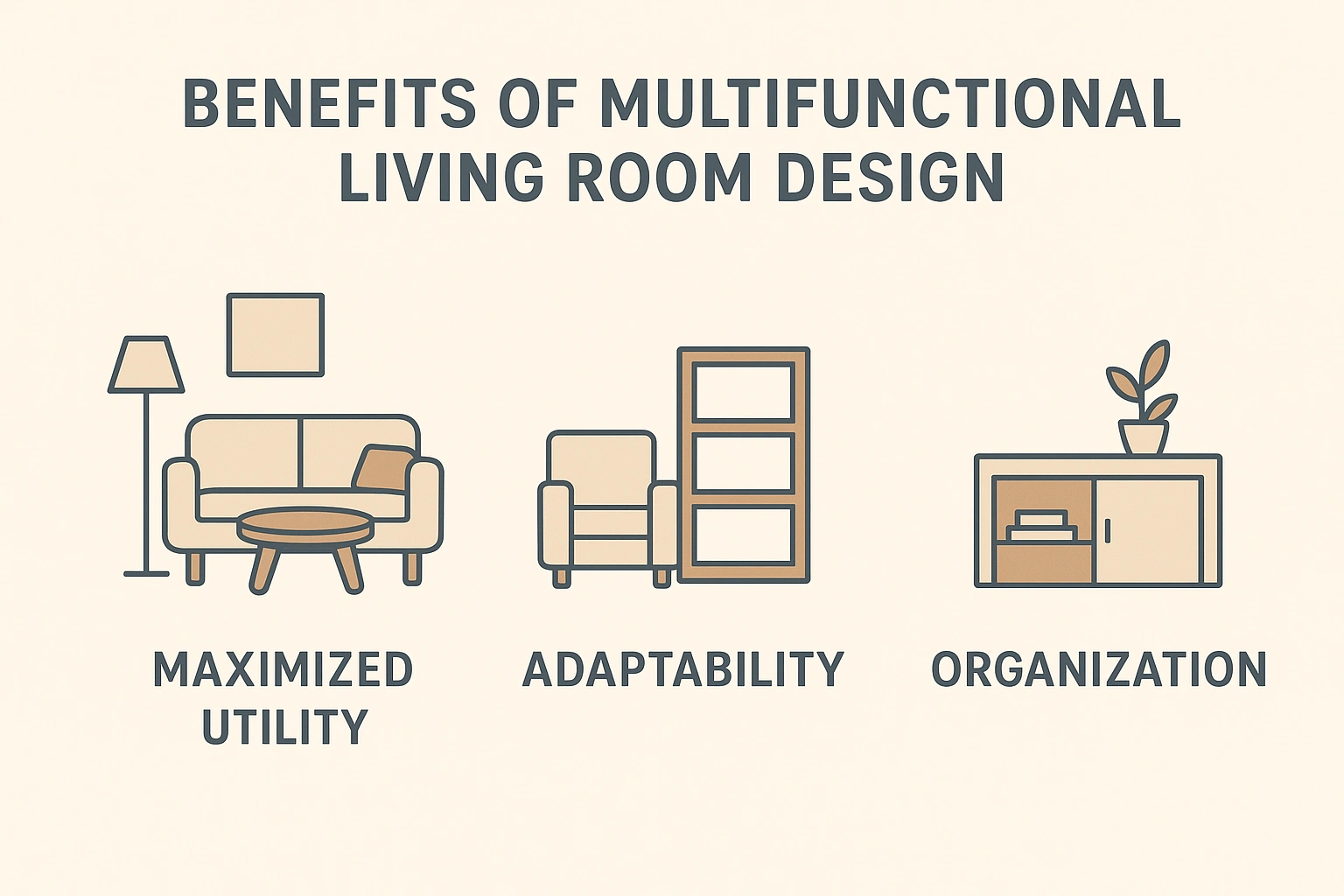
It Maximizes Your Home’s Value and Utility
Every square foot of your home is valuable real estate. A multifunctional design ensures that you are using that space to its absolute fullest potential. A living room that also functions as a home office and a guest room provides three times the utility of a traditional living room, effectively increasing the functional size of your home without the cost of an extension.
It Adapts to Your Evolving Lifestyle
Life changes. You might start a new remote job, take up a new hobby, or have family come to stay. A flexibly designed living room can adapt to these changes without requiring a major overhaul. A modular sofa can be reconfigured, a fold-down desk can be added, and your space can evolve with you. For more on adapting to life’s changes, explore our resources at bitcoinnews.biz.id.
It Fosters a More Organized and Peaceful Environment
When every activity has a designated place, even within the same room, it’s easier to stay organized. A well-designed multifunctional room has smart storage solutions and clear zones, which reduces clutter and the mental stress that comes with it. It creates a sense of order and calm, even when the room is being used for multiple things at once.
How to Design Your Multifunctional Living Room: The Core Principles
A successful design is built on three key principles: choosing the right anchor furniture, creating distinct zones, and utilizing vertical space.
- 1. Choose Your “Hero” Furniture: Start with one or two large, hard-working pieces of multifunctional furniture. This could be a modular sectional sofa with storage, a high-quality sleeper sofa, or a convertible coffee table that lifts to become a dining table. This “hero” piece will be the anchor of your room’s flexibility.
- 2. Create “Zones”: Even in an open-plan room, you can create the feeling of separate spaces. Use area rugs to define the main seating area. Position the back of your sofa to create a visual divider between the lounge and a workspace. Use a slim console table behind the sofa to serve as a landing strip or a mini-bar.
- 3. Go Vertical: When floor space is limited, the walls are your best friend. Use tall, narrow bookcases to draw the eye upward and provide storage. Install floating shelves for books and decor. A wall-mounted desk can provide a full workspace without taking up any floor space.
Real-Life Case Study: My Living Room Transformation
My 300-square-foot living room needed to be my office, my dining room, and my relaxation space. It felt impossible. My first step was to anchor the room with a reversible chaise sofa with a storage ottoman. This allowed me to define the lounge area and hide my clutter. Next, I created a “work zone” in a corner by installing a wall-mounted fold-down desk. It’s invisible when closed. For dining, I chose a set of nesting coffee tables; the largest is big enough for two people to eat at comfortably. By using rugs to define the lounge area and keeping the color palette consistent, the room now feels like three distinct, functional spaces, not one chaotic one. It’s the best example of **multifunctional living room design** I can offer.
| Pros of the Transformation | Cons of the Transformation |
|---|---|
| ✅ The room now serves three distinct purposes | ❌ Requires daily tidying to transition between zones |
| ✅ Feels more spacious and organized than before | ❌ Required careful planning and measuring |
| ✅ Smart furniture choices reduced overall clutter |
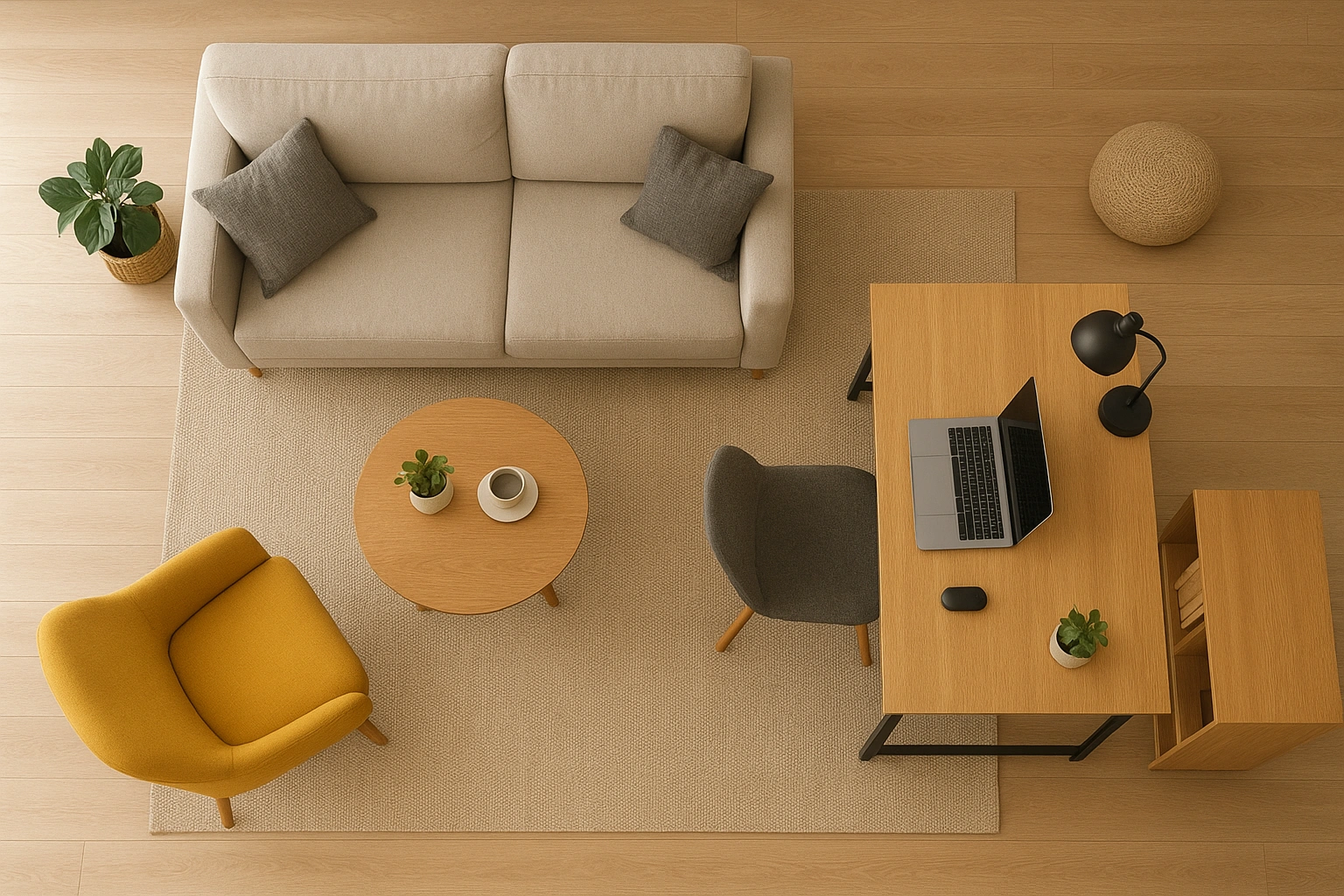
Comparison: Key Furniture for a Multifunctional Space
Let’s compare the heavy hitters of the multifunctional world to see which might be right for you.
| Furniture Piece | Primary Functions | Pros | Cons | Best For |
|---|---|---|---|---|
| Modular Sectional | Seating, Lounging, Dividing Space | Highly adaptable, can be reconfigured, often has storage options. | Can be expensive, requires a larger footprint. | Families and those who like to rearrange furniture. |
| Sleeper Sofa | Seating, Guest Bed | Creates an instant guest room, modern versions are very comfortable. | Mechanism adds weight, can be pricey. | Anyone who frequently hosts overnight guests. |
| Lift-Top Coffee Table | Coffee Table, Desk, Dining Table | Creates an ergonomic work/dining surface, has hidden storage. | Mechanism quality is crucial. | Remote workers and people who eat in the living room. |
| Open-Backed Shelving | Storage, Display, Room Divider | Defines zones without blocking light, highly versatile. | Offers no visual privacy. | Creating separation in a long, narrow room or studio. |
Common Mistakes to Avoid in Your Design
- Trying to Do Too Much: A room can be two or three things, but it can’t be ten. Be realistic about the primary functions you need and focus on designing for those.
- Choosing Clashing Styles: To make a multi-zone room feel cohesive, stick to a unified color palette and design style. The desk in your work zone should stylistically match the sofa in your lounge zone.
- Ignoring Traffic Flow: Before you buy furniture, map out the natural pathways in your room. Make sure your layout allows for easy movement between zones without having to sidestep furniture.
- Forgetting About Lighting: Different activities require different lighting. A single, harsh overhead light won’t work. You need a layered lighting plan with ambient, task, and accent lighting that can be adjusted for each activity.
Expert Tips & Best Practices
“The biggest mistake I see in multifunctional design is forgetting the transitions. How do you move from ‘work mode’ to ‘relax mode’? The best designs incorporate ‘end-of-day’ storage. Have a basket for your laptop, a drawer for your papers. The physical act of putting your work away is what allows the room to truly transform its purpose.”
– Liam Chen, Interior Designer
- Use Furniture with Wheels: Putting small side tables or even your coffee table on casters adds a huge amount of flexibility, allowing you to easily reconfigure the room.
- Think in Layers: Layering rugs, pillows, and throws can help define zones and add a sense of coziness and intention to the space.
- Embrace Mirrors: A large mirror can make any space feel larger and brighter, which is especially important in a room that’s doing double or triple duty.
- Choose a “Quiet” Color Palette: A calm, neutral color scheme on the walls can help a busy, multifunctional room feel more serene and cohesive.
Frequently Asked Questions (FAQ)
Q: How do I create ‘zones’ in an open-plan living room?
A: Zoning is key to a successful multifunctional design. Use area rugs to define different areas, like the seating area versus the dining nook. You can also use furniture placement, such as the back of a sofa, to create a visual separation. Open-backed shelving units are another excellent way to divide a space without blocking light.
Q: What is the best lighting for a multifunctional living room?
A: Layered lighting is essential. You need a combination of ambient lighting (like a central ceiling fixture), task lighting (a floor lamp for reading or a desk lamp for work), and accent lighting (to highlight art or architectural features). Using dimmers on your main lights allows you to change the mood of the room instantly.
Q: Can a multifunctional living room still feel cozy and uncluttered?
A: Absolutely. The key is smart storage and a cohesive design. Choose furniture with hidden storage to keep clutter at bay. Stick to a consistent color palette and design style across the different ‘zones’ to create a unified, harmonious look that feels intentional and calm, not chaotic.
Conclusion: Your Hardest-Working Room, Perfected
Your multifunctional living room has the potential to be so much more than just a place to sit. By embracing the principles of multifunctional living room design, you can create a dynamic, adaptable, and highly personal space that truly supports every facet of your life. It’s about being intentional, making smart choices that highlight the strengths of a multifunctional living room, and thinking creatively about your layout. With the right approach, your multifunctional living room becomes not just practical, but also a reflection of your lifestyle and personality.
Use the ideas and strategies in this guide to start your transformation. A thoughtful approach to multifunctional living room design will not only make your home more functional but will also make it a more joyful and peaceful place to be. By focusing on a multifunctional living room, every detail of your space can serve more than one purpose without feeling crowded. With smart choices, your multifunctional living room becomes a place that adapts to both relaxation and productivity. The right multifunctional living room setup will make even the smallest home feel open, flexible, and truly your own.